Poison Ivy Removal in Delaware County, PA
Poison ivy removal services help property owners eliminate this common and irritating plant from their yards, gardens, and outdoor spaces. These services typically cover a range of projects, including clearing poison ivy from trees, fences, shrubs, and ground cover areas. Homeowners often seek professional assistance to safely and effectively remove the plant, especially in cases where it has spread extensively or is growing in hard-to-reach places, reducing the risk of skin irritation and allergic reactions.
Before requesting poison ivy removal, property owners usually want to understand the scope of the project, including the extent of the infestation and the methods used for removal. It’s important to know whether the service includes disposal of the plant material and if any follow-up treatments are recommended to prevent regrowth. Clarifying these details can help ensure the property is safely and thoroughly cleared of poison ivy, making outdoor spaces safer and more enjoyable.
Many property owners in Delaware County, PA look into Poison Ivy Removal for repairs, replacements, upgrades, and appearance-related improvements.
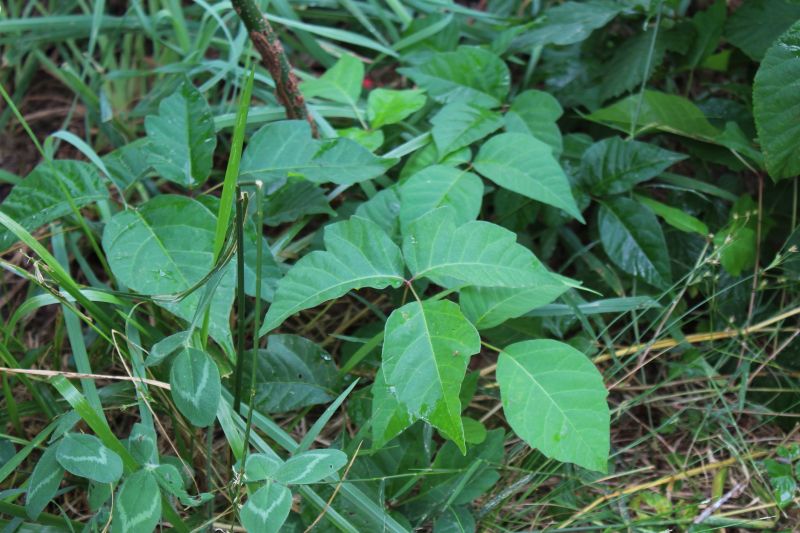
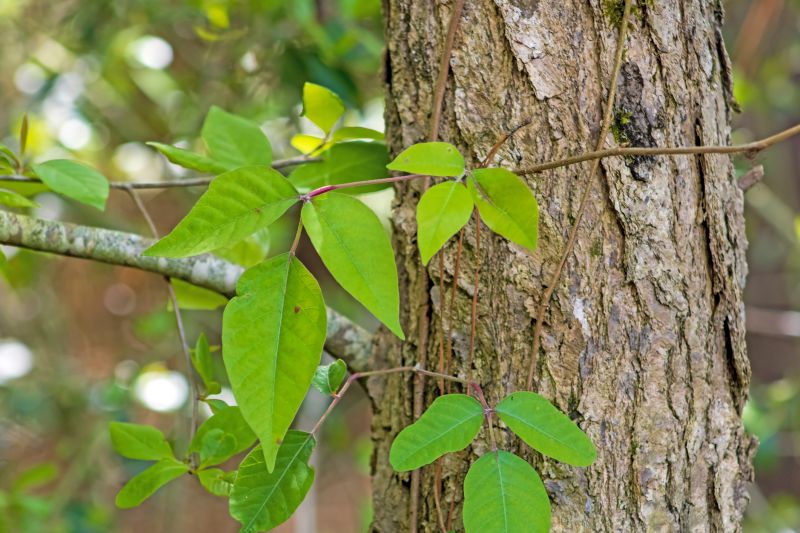
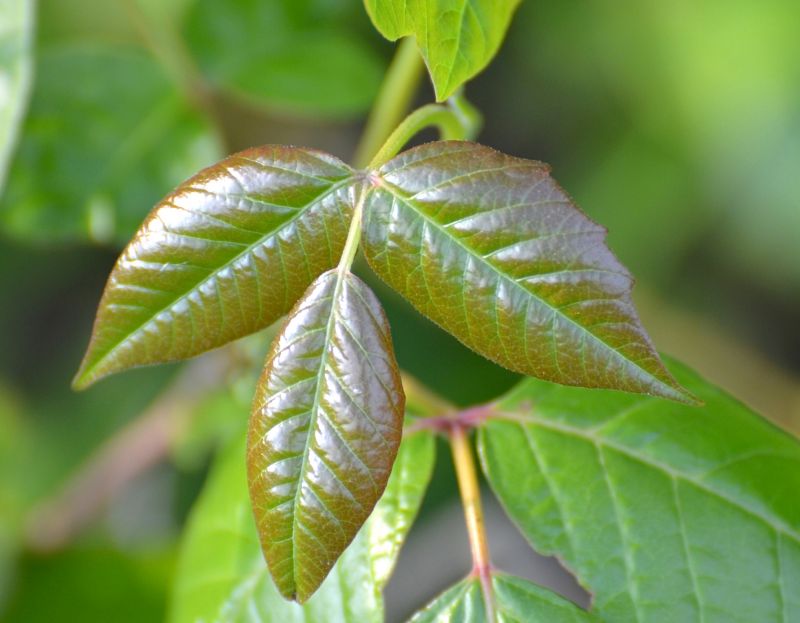
Identifying Poison Ivy
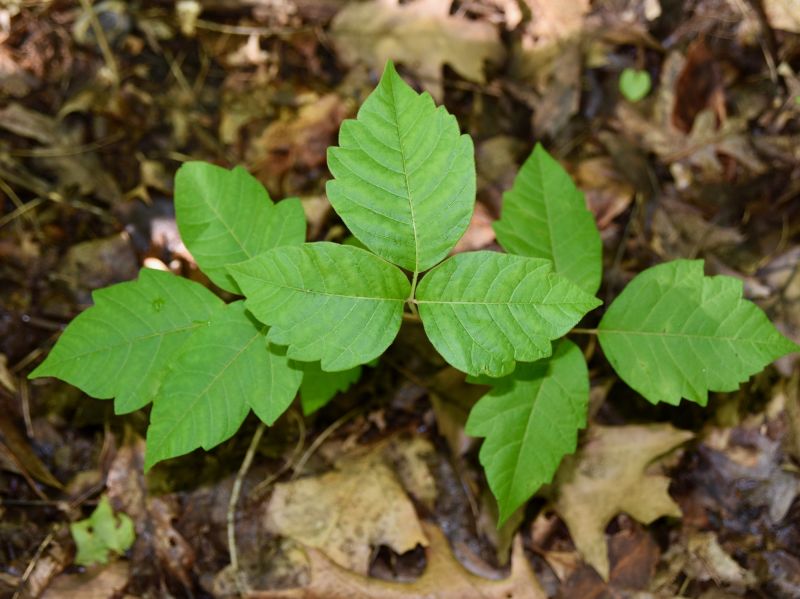
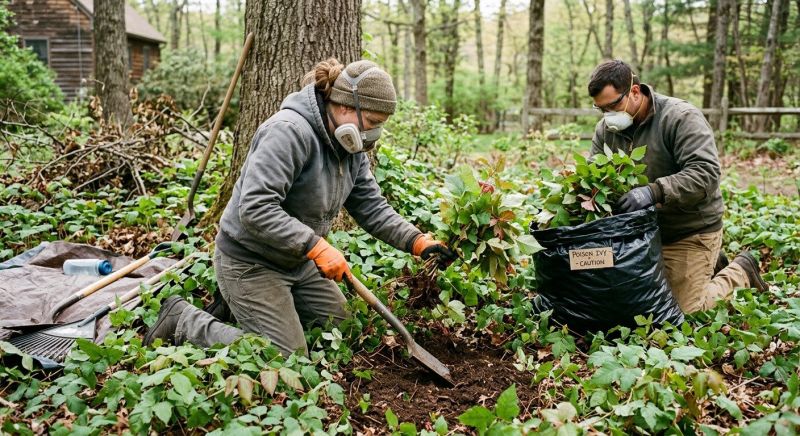
Recognizing the signs of poison ivy helps prevent skin irritation and spreads on your property.
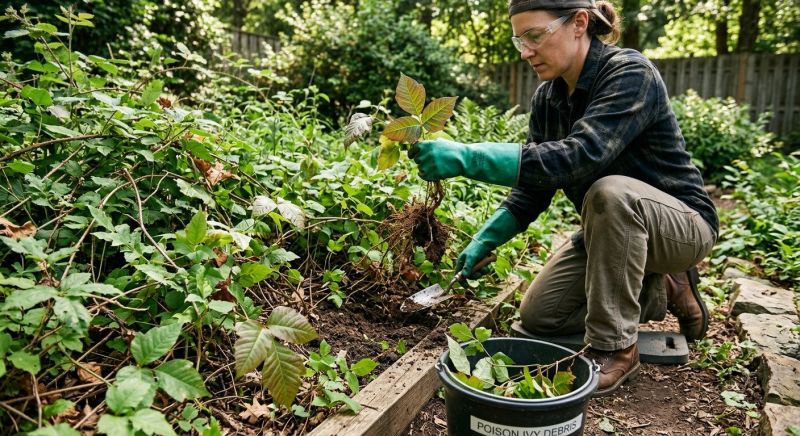
Safe Removal Techniques
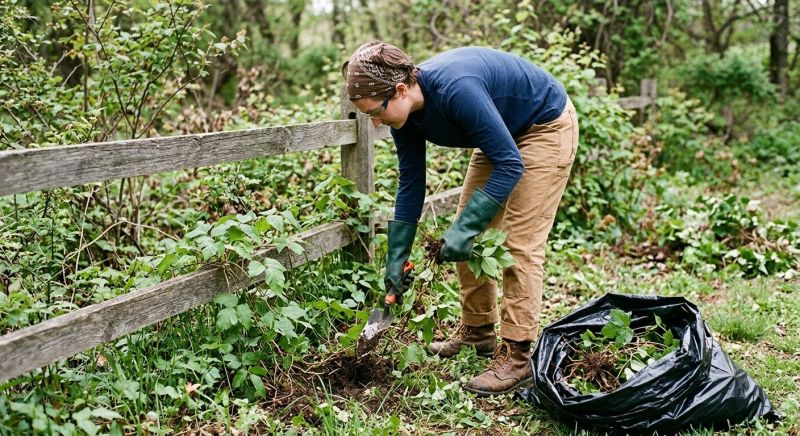
Professional removal ensures poison ivy is eliminated without damaging surrounding plants or landscaping.
Property Maintenance Tips
Regular inspections and proper landscaping can minimize future poison ivy growth in delaware county, pa.
Poison Ivy Removal in Delaware County, PA

Poison ivy removal services help property owners eliminate this common and irritating plant from their yards, gardens, and outdoor spaces. These services typically cover a range of projects, including clearing poison ivy from trees, fences, shrubs, and ground cover areas. Homeowners often seek professional assistance to safely and effectively remove the plant, especially in cases where it has spread extensively or is growing in hard-to-reach places, reducing the risk of skin irritation and allergic reactions.
Before requesting poison ivy removal, property owners usually want to understand the scope of the project, including the extent of the infestation and the methods used for removal. It’s important to know whether the service includes disposal of the plant material and if any follow-up treatments are recommended to prevent regrowth. Clarifying these details can help ensure the property is safely and thoroughly cleared of poison ivy, making outdoor spaces safer and more enjoyable.
Many property owners in Delaware County, PA look into Poison Ivy Removal for repairs, replacements, upgrades, and appearance-related improvements.
Common Poison Ivy Removal Jobs
Poison Ivy Removal - safely eliminates invasive plants from residential landscapes.
Yard Clearing - removes poison ivy from lawns, gardens, and wooded areas.
Property Maintenance - prevents regrowth through targeted removal and monitoring.
Landscaping Services - integrates poison ivy removal into overall yard improvement projects.
Brush and Underbrush Clearing - clears overgrown areas where poison ivy tends to thrive.
Safety-focused Removal - minimizes exposure and reduces the risk of skin irritation during removal.
Poison Ivy Removal Questions
What is poison ivy removal? Poison ivy removal involves safely eliminating the plant from a property to prevent skin irritation and environmental spread.
When should poison ivy be removed? Removal is recommended when the plant is growing in high-traffic areas or near structures to reduce risk and prevent spreading.
How is poison ivy removed? The process typically includes cutting, digging out the roots, and applying targeted treatments to prevent regrowth.
Is professional removal necessary? Yes, professionals have the proper tools and knowledge to remove poison ivy safely and effectively.
Request Poison Ivy Removal in Delaware County, PA
Use the quote form on this page to share the basics of your project and request more information for the type of work you need.