Get Poison Ivy Removal in Harford County, MD
Local contractors in Harford County, MD, can remove poison ivy from yards, trees, fences, and landscapes to eliminate skin irritation and prevent property damage.
Property owners in Harford County, MD, who are dealing with poison ivy often seek professional removal services to ensure safety and effective results. Poison ivy can pose health risks and may cause damage to landscaping or structures if not managed properly. Exploring local contractor options can help property owners find experienced professionals who understand the specific challenges of managing invasive plants in the area, making it easier to plan and execute removal projects with confidence.
Comparing local service providers allows property owners to evaluate the range of solutions available for poison ivy removal tailored to their property’s needs. Whether addressing overgrown areas, preventing future growth, or restoring landscape appearance, connecting with experienced contractors ensures the work is handled efficiently and safely. Keeping informed about available options helps property owners make well-informed decisions for maintaining a healthy, safe outdoor environment.
- Poison Ivy Removal - needed when vines have overtaken a yard or garden in neighborhoods like Bel Air or Aberdeen.
- Poison Ivy Removal - required if plants pose a risk to children playing in local parks or schoolyards.
- Poison Ivy Removal - necessary after landscaping projects that disturb or uncover existing poison ivy patches.
- Poison Ivy Removal - sought when overgrown plants threaten to spread to neighboring properties in Harford County communities.
- Poison Ivy Removal - needed for safety when plants grow near walkways, driveways, or outdoor recreational areas.
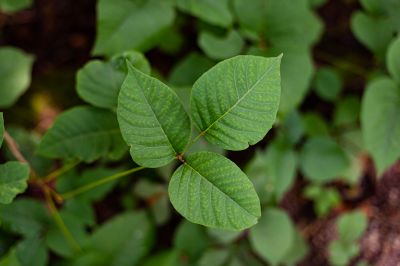
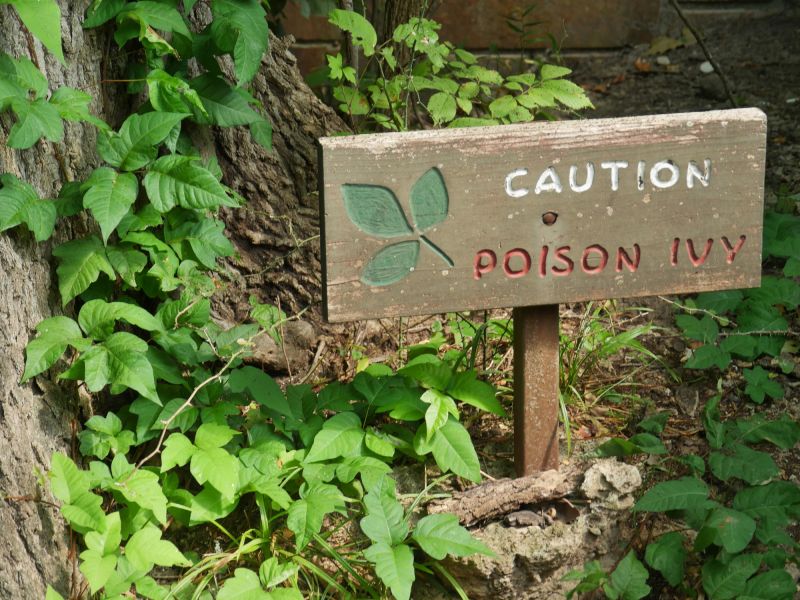
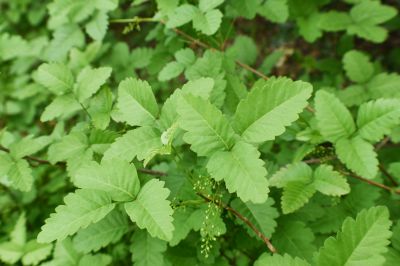
Poison ivy removal services involve carefully eliminating this invasive plant from residential or commercial properties. Skilled contractors use specialized techniques to identify and safely remove poison ivy, ensuring that the plants are fully eradicated from lawns, gardens, fences, or wooded areas. The process often includes assessing the extent of the growth, carefully removing the plants without spreading oils that can cause skin irritation, and disposing of the debris in a responsible manner. Proper removal is essential to prevent the plant from regrowing and to reduce the risk of contact with the irritating urushiol oil that poison ivy contains.
This service helps address a variety of problems associated with poison ivy growth. For homeowners, it can mean eliminating a source of skin irritation for family members and pets. Poison ivy can also threaten outdoor activities like gardening, playing, or relaxing in the yard, especially if the plant is growing in high-traffic areas. Additionally, removing poison ivy can protect landscape investments by preventing the plants from overtaking garden beds or trees. In some cases, it’s necessary to remove the plants to comply with property maintenance standards or to make outdoor spaces safer and more enjoyable.
Properties that typically require poison ivy removal include suburban homes with yards, farms, and rural properties with wooded areas, as well as commercial properties with landscaped grounds. Homes with dense shrubbery or overgrown fencing are common sites where poison ivy can thrive unnoticed. Parks, playgrounds, and recreational areas may also need regular inspections and removal services to ensure safety. Any property where poison ivy has become invasive or presents a hazard to residents or visitors can benefit from professional removal services to restore safety and aesthetics.
Homeowners often seek poison ivy removal when they notice the plant spreading into areas used for outdoor activities or when they experience skin irritation after contact. It’s also a common concern for those planning landscape renovations or clearing overgrown areas. Service providers can evaluate the property to determine the extent of poison ivy growth, then implement effective removal strategies. Engaging local contractors for this work can help ensure the plant is fully removed, reducing the risk of future growth and making outdoor spaces safer and more accessible for everyone.
The overview below groups typical Poison Ivy Removal projects into broad ranges so you can see how smaller, mid-sized, and larger jobs often compare in Harford County, MD.
In many markets, a large share of routine jobs stays in the lower and middle ranges, while only a smaller percentage of projects moves into the highest bands when the work is more complex or site conditions are harder than average.
Smaller Repairs - For minor poison ivy removal on small areas, local contractors typically charge between $250 and $600. Many routine jobs fall within this range, especially for single yards or limited patches.
Moderate Projects - Larger, more extensive removal jobs can range from $600 to $1,500, depending on the size of the affected area and complexity. These projects are common for properties with multiple patches or difficult access.
Large-Scale Removal - For sizable properties or heavily infested landscapes, costs often range from $1,500 to $3,000. Fewer projects reach this tier, but they are necessary for comprehensive eradication efforts.
Full Property Treatment - Complete removal of poison ivy across large properties or multiple sites can exceed $3,000, with some complex cases reaching $5,000 or more. Such projects are typically reserved for extensive infestations requiring significant effort.
Actual totals will depend on details like access to the work area, the scope of the project, and the materials selected, so use these as general starting points rather than exact figures.
Tree and Shrub Pruning - pruning projects require knowledge of plant growth and the use of specialized tools, similar to removing invasive vines like poison ivy.
Land Clearing and Brush Removal - clearing overgrown areas involves removing dense vegetation, which shares techniques used in poison ivy eradication.
Fence and Boundary Line Clearing - clearing along property lines often involves removing unwanted plants and vines, requiring careful planning and vegetation management skills.
Storm Damage Cleanup - removing fallen branches and damaged plants involves similar equipment and safety considerations as poison ivy removal.
Garden Bed Preparation - clearing weeds and invasive plants to prepare for planting aligns with the skills needed for vine removal and site preparation.
Invasive Plant Control - managing and removing invasive species requires understanding plant behavior and using targeted removal techniques, akin to poison ivy removal services.

When evaluating service providers for poison ivy removal, it’s important to consider their experience with similar projects in the area. Homeowners should look for local contractors who have a proven track record of handling vegetation removal tasks comparable to their specific needs. Asking about past projects can provide insight into their familiarity with the types of plants, terrain, and conditions typical of the local landscape, helping ensure the chosen professional is well-equipped to manage the job effectively.
Clear written expectations are essential when comparing poison ivy removal services. Homeowners should seek providers who can offer detailed descriptions of the scope of work, methods used, and any necessary preparations or follow-up steps. Having a well-defined plan in writing helps prevent misunderstandings and ensures that both parties are aligned on what the project entails, making it easier to evaluate the professionalism and thoroughness of each local contractor.
Reputable references and strong communication are also key factors in selecting the right service provider. Homeowners should inquire about references from previous clients with similar projects and verify their satisfaction with the work performed. Additionally, effective communication-such as prompt responses to questions and clarity in explaining procedures-can indicate a contractor’s reliability and commitment to customer service. It’s important to remember that this site introduces homeowners to local options for poison ivy removal; it does not perform the work itself, but helps connect people with qualified local contractors who can handle the project professionally.
Property owners in Harford County, MD use Poison Ivy Removal services for practical projects around their homes and businesses. This guide focuses on everyday jobs and straightforward project options.
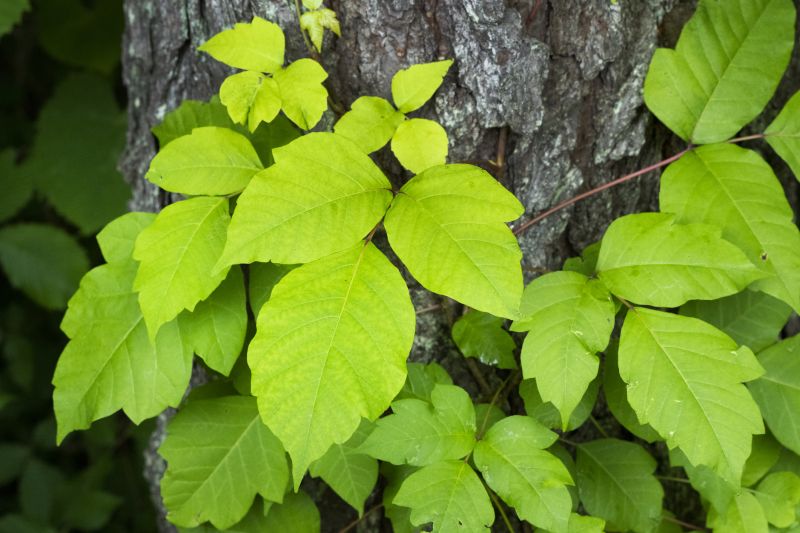
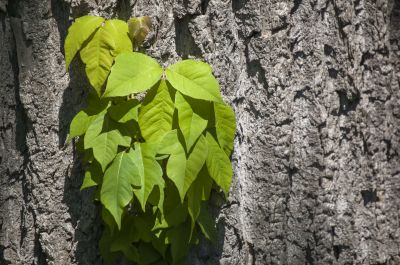
Poison ivy can quickly become a common concern for property owners in Harford County, MD, especially in areas with thick vegetation or wooded spaces. Homeowners may seek removal services when the plant begins to grow along fences, in gardens, or near walkways, posing a risk of skin irritation for anyone spending time outdoors. Additionally, those planning to landscape or clear overgrown areas might look for local contractors who can safely and effectively eliminate poison ivy to prevent future growth and protect family members and visitors.
In many cases, property owners turn to local service providers when they notice poison ivy spreading into yards, around playgrounds, or near outdoor seating areas. Clearing this invasive plant can be important for maintaining a safe and enjoyable outdoor environment. Whether addressing an existing problem or preventing future growth, local contractors in Harford County, MD, are available to handle poison ivy removal, helping property owners keep their outdoor spaces safe and accessible.
What are the signs of poison ivy in my yard? Common signs include clusters of reddish, itchy plants with three leaflets, often growing along fences, trees, or shaded areas. Identifying these features can help determine if removal is needed.
How do local contractors remove poison ivy safely? Professionals typically use protective gear and specialized tools to carefully eliminate poison ivy without spreading the plant or causing skin irritation.
Are there different methods for poison ivy removal? Yes, methods can include manual removal, herbicide application, or a combination of both, depending on the extent of growth and location.
What should I do if I come into contact with poison ivy? It's recommended to wash the affected area with soap and water promptly and seek advice from a local contractor about proper removal and treatment options.
Can poison ivy be removed from difficult or hard-to-reach areas? Yes, experienced service providers have the tools and expertise to handle removal in challenging locations like dense woods or near structures.
Property Safety Assessment - Homeowners can have local contractors evaluate their yard to identify where poison ivy poses a risk to children or pets.
Overgrown Area Clearance - Property owners may hire professionals to remove poison ivy from thick shrubs or fencing areas to improve landscape appearance.
Yard Cleanup Projects - When preparing for outdoor events or seasonal changes, local service providers can help clear poison ivy from walkways and garden beds.
Vegetation Management - Landowners can utilize poison ivy removal services to control invasive growth and maintain healthy, safe outdoor spaces.
If you are thinking about Poison Ivy Removal for a property in Harford County, MD, this guide is meant to help you understand the work, the typical project types, and how different options might fit your plans.
When you are ready, you can use the quote form on this page to share a few details about your project. From there, local pros can review the basics and respond with options that match what you have in mind.